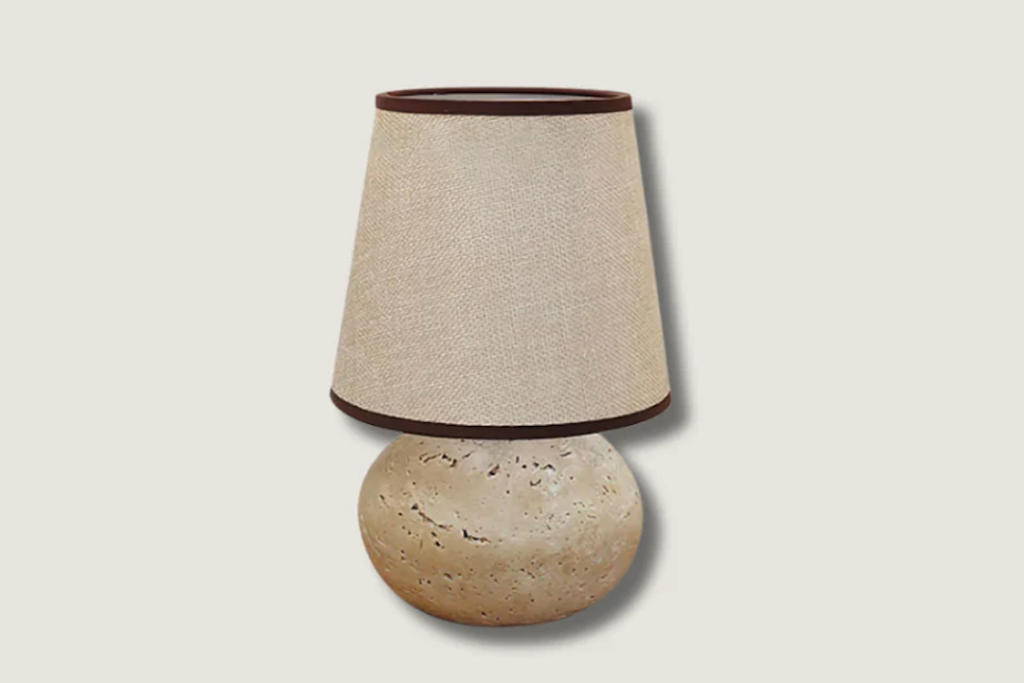
A travertine stone base table lamp represents a design element characterized by its material composition. Travertine, a form of limestone deposited by mineral springs, serves as the foundational component for these lighting fixtures. This natural stone, recognized for its porous texture and earthy color palette, contributes to the lamp’s aesthetic and structural integrity. The incorporation of travertine in lighting design is not a novel concept; its use can be traced back to antiquity, where it was valued for its durability and appearance.
The selection of a travertine base for a table lamp Nepten is often predicated on its inherent qualities. The stone’s natural variations in color and pattern ensure that each lamp possesses a unique visual identity. These variations, ranging from light creams to deeper browns and reds, are a result of mineral impurities and geological processes during the stone’s formation. The surface of travertine can be finished in multiple ways, including polished, honed, brushed, or tumbled, each imparting a distinct tactile and visual characteristic to the lamp base. A polished finish accentuates the stone’s reflections, while a honed finish offers a matte, subdued appearance. Brushed and tumbled finishes provide a more textured, aged aesthetic.
The function of a table lamp extends beyond mere illumination; it often serves as a focal point within an interior space. The base, as the supportive element, plays a significant role in establishing the lamp’s overall presence. Travertine, due to its substantial weight, provides a stable foundation, mitigating the risk of accidental tipping. This stability is a practical consideration, particularly in environments with high traffic or where children and pets are present.
The integration of lighting technology with a historical material like travertine bridges traditional craftsmanship with modern utility. The electrical components, including sockets, wiring, and switches, are typically concealed within or affixed to the base, maintaining the lamp’s streamlined appearance. The choice of lampshade, while separate from the base, significantly influences the lamp’s emitted light and its aesthetic integration into a room. A lamp’s suitability for different interior styles is influenced by the base material, shade choice, and overall design. Travertine, with its neutral tones and organic textures, often complements a range of decor styles, from rustic to contemporary.
Historical Context and Material Properties of Travertine
To understand the appeal of a travertine stone base table lamp, it is beneficial to explore the historical significance and material properties of travertine itself. Travertine is a sedimentary rock, primarily composed of calcium carbonate, formed in hot springs and geysers. Its distinctive porous nature is a result of gases escaping during the crystallization process.
Geological Formation and Extraction
The geological formation of travertine is a slow and intricate process. Groundwater, saturated with calcium bicarbonate, flows through limestone deposits, dissolving calcium carbonate. When this water surfaces in hot springs, the decrease in pressure and temperature, coupled with the agitation of the water, causes carbon dioxide to escape. This leads to the precipitation of calcium carbonate, forming travertine. Over lengthy periods, these deposits accumulate, creating the substantial beds from which the stone is quarried.
Major historical quarries, such as those in Tivoli, Italy, have supplied travertine for renowned architectural projects for millennia. The Colosseum in Rome, for instance, is largely constructed from travertine, a testament to the stone’s durability and structural integrity. Modern quarrying techniques involve precisely cutting large blocks from these beds, which are then transported to processing facilities. Here, blocks are cut into slabs or smaller pieces, which can then be shaped and finished for various applications, including lamp bases. The extraction process is capital-intensive and requires specialized machinery to minimize waste and ensure worker safety.
Characteristics and Durability
Travertine’s unique characteristics extend beyond its visual appeal. Its inherent strength and resistance to decay have made it a favored building material throughout history. The stone’s density varies, influencing its weight and structural integrity. Generally, denser travertine exhibits higher compressive strength. However, the porosity of travertine can be a challenge. Untreated pores can absorb liquids, leading to staining. Therefore, for applications like lamp bases, where occasional spills might occur, sealing the travertine surface is often recommended.
- Pore Filling: For certain applications, particularly flooring or countertops, the pores of travertine are filled with resin or cementitious compounds to create a smoother, less absorbent surface. This process, however, alters the natural texture of the stone. For lamp bases, a natural, unfilled finish is often preferred to highlight the stone’s organic character.
- Color Variations: The color palette of travertine is predominantly within the beige and brown spectrum, influenced by miniscule quantities of iron compounds or other minerals during its formation. Pure travertine is white, but impurities create a range of colors, including ivory, cream, gold, rust, and silver. A lamp base crafted from a single block will exhibit subtle variations in these hues, contributing to its uniqueness.
- Thermal Properties: Travertine is a relatively cool material to the touch, and it does not retain heat extensively. This property is less critical for a lamp base than for a countertop or flooring, but it contributes to the overall material experience.
Despite its natural durability, travertine, like all natural stones, requires some care. Abrasive cleaners can damage its surface, and acidic substances can etch the calcium carbonate, leading to irreversible marks. Understanding these properties enables both manufacturers to design for longevity and consumers to maintain the lamp’s appearance over time. Manufacturers often provide care instructions specific to the finish of the travertine, advising on appropriate cleaning solutions and sealing schedules.
Design and Aesthetic Integration
The design of a travertine stone base table lamp is a critical factor in its appeal and its ability to integrate into various interior design schemes. The stone provides a foundation that can range from minimalist and geometric to more sculptural and organic.
Shapes and Forms
The shapes and forms of travertine lamp bases are diverse, reflecting both the capabilities of stone fabrication and contemporary design trends. Common shapes include:
- Cylindrical: A simple, often classic form that emphasizes the inherent texture and color of the travertine. Cylindrical bases can be tall and slender or short and stout, adapting to different shade sizes and overall lamp proportions.
- Rectangular/Cubic: These geometric forms provide a strong, architectural presence. They can be particularly effective in minimalist or industrial interiors where clean lines are prioritized. The sharp edges can be softened with a chamfered or rounded finish.
- Sculptural/Organic: Some designs move beyond basic geometric shapes, incorporating more irregular or free-form contours. These bases may feature carved details, terraced layers, or undulating surfaces that highlight the stone’s natural variations as if sculpted by nature itself. These approaches can transform a functional object into a piece of art, serving as a prominent decorative element even when unlit.
- Tiered/Layered: These designs involve multiple pieces of travertine stacked or intricately joined to create a base with visual depth and complexity. Each layer might have a slightly different finish or dimension, adding to the lamp’s bespoke character.
The form of the base significantly influences the overall silhouette of the lamp. A substantial base typically pairs well with a larger shade, balancing the proportions, while a slender base might be matched with a more delicate shade. The relationship between the base and the shade is symbiotic; one enhances the other.
Complementary Materials and Shades
The choice of materials that accompany the travertine base, particularly the lampshade, plays a pivotal role in defining the lamp’s aesthetic and its light-diffusing qualities.
- Lampshades:
- Fabric Shades: Linen, silk, cotton, and paper shades are popular choices. Matte fabrics like linen and raw silk diffuse light softly, creating an ambient glow that complements the earthy tones of travertine. More lustrous fabrics, like polished silk, can add a touch of formality. The color of the shade, whether neutral or saturated, should ideally coordinate with the travertine and the room’s color scheme.
- Metal Shades: Less common for table lamps, but metal shades (e.g., brass, copper, brushed steel) can offer a stark, modern contrast, particularly when paired with minimalist travertine bases. They typically direct light more acutely, creating focused illumination rather than diffuse ambiance.
- Glass Shades: Frosted or opal glass shades can offer a contemporary alternative, providing a crisp, diffused light that complements the stone’s texture. Clear glass shades, often seen in industrial-style lamps, expose the bulb, making the bulb itself a design element.
- Metal Accents: Brass, bronze, and blackened steel are frequently used for finials, lamp holders, or decorative bands around the base. These metals age with a patina that can harmonize with the natural aging process of travertine, creating a cohesive aesthetic over time. Polished chrome or nickel might be used in more contemporary designs for a sharper contrast.
- Wooden Elements: Less frequent but not unheard of, wooden accents can introduce an additional layer of organic texture, further grounding the lamp within a natural material palette. For instance, a wooden collar at the top of the travertine base could offer a transitional element to the lampshade.
The overall design process involves balancing these elements to create a functional art piece. The aim is often to allow the travertine to “speak” for itself, letting its natural beauty be the primary design feature, rather than overshadowing it with overly ornate embellishments. The interaction of light with the stone is also a consideration; the way light falls upon and reflects off the travertine surface can highlight its unique textures and variations.
Illumination and Functionality
Beyond its aesthetic appeal, a travertine stone base table lamp must excel in its primary function: illumination. The effectiveness of a lamp is determined by its light output, the type of bulb it accommodates, and the controls it offers.
Light Output and Bulb Types
The light output, measured in lumens, and the quality of light (color temperature) are heavily influenced by the bulb chosen. Travertine bases typically accommodate standard screw-in bulbs (E26 in North America, E27 in Europe), offering flexibility in bulb selection.
- Incandescent Bulbs: While increasingly phased out due to inefficiency, incandescent bulbs offered a warm, comforting glow. Their full-spectrum light rendered colors accurately. However, they generated significant heat.
- Compact Fluorescent Lamps (CFLs): More energy-efficient than incandescents, CFLs come in various color temperatures. Their spiral shape might not be aesthetically pleasing if visible through a transparent shade. Some users report a warm-up period and a less immediate light.
- LED Bulbs: Light Emitting Diodes are now the dominant choice due to their exceptional energy efficiency, long lifespan, and versatility.
- Color Temperature: LEDs are available in a wide spectrum of color temperatures, from very warm white (2700K) to cool daylight (5000K+). For a travertine lamp, a warmer color temperature (2700K-3000K) often complements the stone’s earthy tones, creating a cozy and inviting ambiance. Cooler temperatures might be suitable for task lighting or more contemporary settings.
- Dimmable Options: Many LED bulbs are dimmable, allowing users to adjust light intensity to suit different moods or activities, from bright task lighting to subtle ambient glow.
- Design LEDs: Some LED bulbs are designed to mimic the aesthetic of vintage incandescent bulbs (e.g., Edison bulbs with visible filaments), adding a decorative element, particularly with clear or sparsely shaded lamps.
The choice of bulb directly impacts the atmosphere created by the lamp. A diffuse light through a fabric shade will create a softer, more enveloping light than a focused beam from an opaque shade and a clear bulb. The interaction of light with the stone base itself can also be a subtle feature, highlighting its textures and variations, particularly if the base is indirectly lit or positioned to catch ambient light.
Switching Mechanisms and Power
The operational convenience of a table lamp is often determined by its switching mechanism and power source.
- On/Off Switches:
- Cord Switches: Integrated into the power cord, these switches are common and allow for easy access. They can be toggle, rotary, or slide switches.
- Base Switches: Some lamps feature switches directly on the lamp base, often a rotary knob or a push-button. This design can be more aesthetically integrated than a cord switch.
- Socket Switches: A pull chain or a rotary switch directly on the lamp socket is another traditional option, offering direct manual control.
- Touch/Dimmer Switches: Modern lamps may incorporate touch sensors within the base that respond to a human touch, often offering multiple brightness levels. These provide a sleek, minimalist control interface.
- Dimmer Functionality: Dimmable lamps enhance versatility, allowing users to regulate light output. This can be achieved through compatible dimmer switches in the cord, on the base, or via touch-sensitive controls. The ability to dim is particularly useful in bedrooms or living areas where varying light levels are desired.
- Power Cord Integration: The power cord is typically discreetly routed through the travertine base, exiting from the bottom or side. Attention to detail in cord management (e.g., braided fabric cords) can further enhance the lamp’s overall refined appearance, preventing it from detracting from the stone’s natural beauty. The length of the cord is also a practical consideration, allowing for flexible placement without needing extension cords.
- USB Charging Ports: Some contemporary lamp designs incorporate USB charging ports into the base, adding a modern convenience feature. This transforms the lamp into a multi-functional device, catering to the ubiquitous presence of personal electronic devices.
The combination of appropriate light output, efficient bulb technology, and user-friendly controls ensures that a travertine stone base table lamp serves its dual purpose effectively: providing illumination and acting as a significant decorative element within an interior space. The focus on these functional attributes underscores the lamp’s transition from a simple light source to an integrated, utility-driven design object.
Environmental and Ethical Considerations
The production and consumption of any product, including travertine stone base table lamps, carry environmental and ethical implications. Examining these aspects provides a comprehensive understanding of the material’s lifecycle.
Sourcing and Sustainability
The sustainability of travertine hinges on its geological origins and extraction practices. Travertine is a natural resource, meaning its formation is a process that occurs over geological timescales, rendering it non-renewable in human terms. Therefore, responsible sourcing is critical.
- Quarrying Practices: Ethical quarrying involves minimizing environmental disruption, such as habitat destruction and water pollution. Responsible quarries employ techniques that reduce waste, reclaim land post-extraction, and adhere to environmental regulations. The energy consumption involved in extracting and transporting heavy stone is also a factor.
- Transportation Footprint: Travertine is often sourced from specific regions globally (e.g., Italy, Turkey, Mexico). The transportation of large, heavy stone blocks and finished products across continents contributes to carbon emissions. Efforts to source locally, where feasible, can reduce this environmental impact. However, the unique qualities of travertine often necessitate international sourcing.
- Lifecycle Assessment: A full lifecycle assessment would consider the energy and resources consumed from quarrying, through manufacturing and shipping, to the product’s end-of-life. Travertine itself is a durable material, suggesting a long product lifespan, which is a positive attribute from a sustainability perspective. Products designed for longevity, reducing the need for frequent replacement, inherently lessen environmental strain.
- Waste Reduction: During the cutting and shaping process, significant amounts of stone waste can be generated. Responsible manufacturers implement strategies to minimize waste or find alternative uses for stone offcuts, such as crushing them for aggregates or creating smaller decorative items.
Labor Practices and Artisanal Craftsmanship
The ethical dimensions extend to the labor practices involved in the extraction and fabrication of travertine.
- Fair Labor Standards: Ensuring fair wages, safe working conditions, and adherence to labor laws in quarries and manufacturing facilities is paramount. This can be challenging in global supply chains, making transparency and independent auditing important. Consumers increasingly seek products certified by fair trade organizations or those from companies with publicly verifiable ethical labor policies.
- Artisanal Skills: The shaping and finishing of travertine often involve skilled artisans. Preserving these traditional crafts and ensuring fair compensation for the expertise required to work with natural stone contributes to ethical production. The value of a travertine lamp often reflects not just the material cost, but also the specialized labor required to transform raw stone into a finished product.
- Local Economic Impact: Supporting companies that quarry and manufacture travertine can have a positive economic impact on local communities, providing employment and fostering regional expertise. Conversely, irresponsible practices can exploit local resources without benefiting the community.
- Traceability: For consumers who prioritize ethical sourcing, the ability to trace the origin of the travertine and understand the production process is becoming increasingly important. Brands that offer this transparency distinguish themselves in the market.
Addressing these environmental and ethical considerations is fundamental to responsible manufacturing and consumption. A consumer’s choice of a travertine stone base table lamp can, therefore, be seen as a decision that extends beyond mere aesthetics, encompassing a commitment to sustainable and ethical practices. While travertine as a natural stone inherently possesses a significant environmental footprint due to its weight and extraction process, conscious efforts in sourcing and production can mitigate these impacts.
Maintenance and Care
The longevity and aesthetic preservation of a travertine stone base table lamp depend significantly on proper maintenance and care. Understanding the material’s vulnerabilities allows for informed handling and cleaning.
Cleaning and Sealing
Travertine is a relatively robust natural stone, but its porous nature necessitates specific cleaning and sealing practices.
- Cleaning Routine:
- Dusting: Regular dusting with a soft, dry cloth is the most basic and frequent cleaning step. This prevents dust accumulation from dulling the stone’s finish. Microfiber cloths are effective for capturing dust without scratching the surface.
- Gentle Wiping: For light dirt or smudges, a slightly damp cloth (with plain water) can be used. Immediately dry the surface with a clean, soft cloth to prevent water spots, especially on unsealed or honed finishes.
- pH-Neutral Cleaners: Never use acidic or abrasive cleaners on travertine, as they can etch the calcium carbonate, leading to irreversible damage and dull spots. This includes common household cleaners like vinegar, lemon juice, or harsh chemical sprays. Instead, use cleaners specifically formulated for natural stone, which are typically pH-neutral. Apply the cleaner sparingly to a soft cloth, not directly to the stone, and wipe gently. Rinse the cloth and wipe again to remove any residue, then dry thoroughly.
- Sealing: Due to its porosity, travertine is susceptible to staining from liquids. Sealing the stone provides an invisible barrier that minimizes absorption.
- Types of Sealers: Penetrating sealers (impregnators) are commonly used for travertine. These sealers penetrate the stone’s pores, creating a barrier without altering the surface appearance or breathability. Topical sealers, while offering protection, can form a visible film and alter the stone’s natural feel.
- Application: Sealers are typically applied after purchase or fabrication, and reapplication is recommended periodically, often every 1-3 years depending on usage and the specific sealer product. The process usually involves applying the sealer evenly, allowing it to penetrate, and then wiping off any excess before it dries on the surface. Manufacturers’ instructions should always be followed precisely.
- Benefits of Sealing: A sealed surface reduces the likelihood of stains from accidental spills (e.g., coffee, wine, ink) from penetrating deep into the stone, making cleanup easier and more effective. It also helps in preventing moisture absorption, which can be particularly beneficial for lamp bases exposed to ambient humidity.
Preventative Measures and Repairs
Proactive measures can significantly extend the life and maintain the pristine appearance of a travertine lamp base.
- Protection from Liquids: blotting spills immediately is critical. Even sealed travertine is not entirely stain-proof, just stain-resistant. The longer a liquid remains on the surface, the higher the chance of it penetrating. Use coasters for drinks if the lamp is placed on a surface where spills are frequent.
- Protection from Scratches: While travertine is durable, it can still scratch. Avoid dragging abrasive objects across the base. Place felt pads on the bottom of the lamp base if it is likely to be moved frequently across delicate surfaces.
- Heat Protection: Although travertine is thermally stable, extreme or prolonged localized heat exposure should be avoided, as it could potentially cause discoloration or weakening over time, especially if subjected to rapid temperature changes. This is typically less of a concern for a lamp base than for a countertop.
- Avoiding Impact: As a natural stone, travertine can chip or crack if subjected to a sharp impact or if dropped. Handle the lamp with care, especially during relocation.
- Minor Repairs: For minor chips or deep scratches, professional stone repair services can often fill and re-finish the damaged area. These repairs typically involve using epoxy fillers tinted to match the travertine, followed by polishing. For very small chips, DIY repair kits are available, though matching the color and texture seamlessly requires skill. In the case of staining on an unsealed lamp base, specialized poultices designed for stone can sometimes extract the stain, but success is not guaranteed and requires careful application.
By adhering to these maintenance and care guidelines, a travertine stone base table lamp can retain its aesthetic appeal and structural integrity for many years, serving as a lasting element within an interior design scheme. The perceived effort in care is often outweighed by the inherent beauty and durability of natural stone.