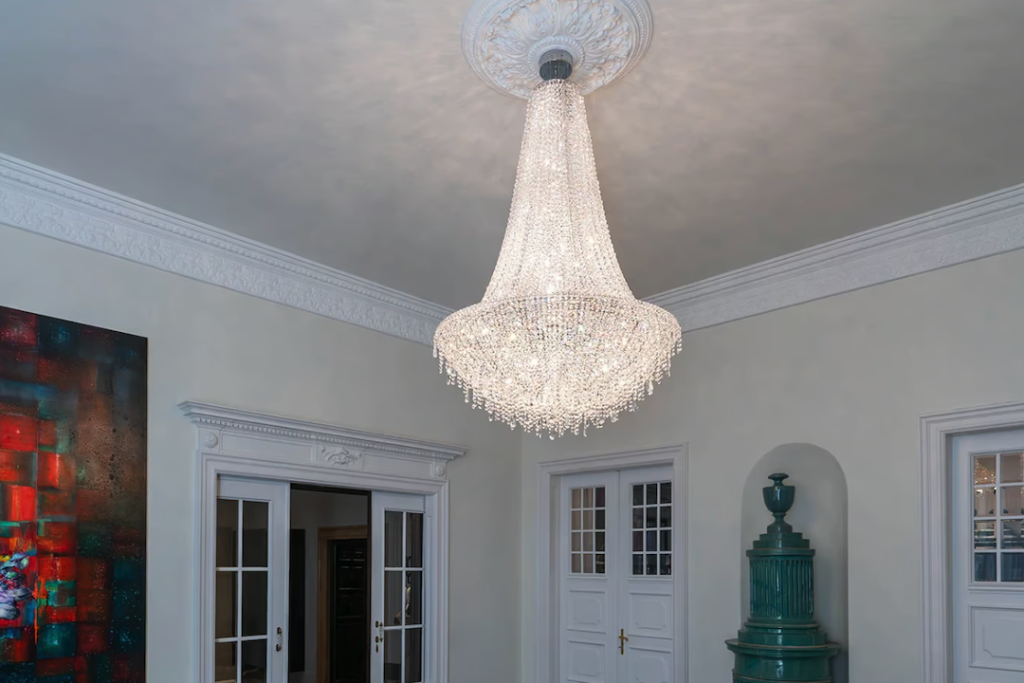
So, you’re thinking about an opulent Neoclassical chandelier for your music room? It’s a fantastic idea, and frankly, a bit of a no-brainer if you’re aiming for both visual impact and a truly memorable atmosphere. This isn’t just about lighting; it’s about setting the stage, adding a layer of sophisticated history, and creating a focal point that resonates with the very soul of your musical space. It’s the ultimate statement piece, and here’s why and how.
Neoclassicism, as an artistic and architectural movement, draws heavily from the art and culture of ancient Greece and Rome. Think elegant symmetry, clean lines, and a restrained yet powerful sense of grandeur. When you bring this aesthetic into a music room, you’re tapping into a rich history where music and artistry were held in high regard, often celebrated in grand halls and intimate salons.
A Historical Echo
The Enlightenment era (roughly 18th century) saw a resurgence of interest in classical antiquity. This translated into a refined style that valued order, reason, and a deep appreciation for artistic expression. Music was a central part of this cultural flourishing. Imagine composers like Mozart or Haydn performing in rooms adorned with lighting Aijolighting that mirrored the sophistication of their compositions. An opulent Neoclassical chandelier in your music room is a direct echo of that tradition.
Beyond Illumination
It’s easy to think of a chandelier as just a light fixture. But a Neoclassical one, especially an opulent version, is so much more. It’s a sculptural element, a piece of art that commands attention even when the lights are off. It’s a conversation starter. In a music room, where ambiance is paramount, it becomes an integral part of the experience, influencing mood and inspiring creativity.
Craftsmanship and Materials: What Makes it Opulent?
The “opulent” in Neoclassical chandelier isn’t just about size. It’s about the quality of the materials, the intricacy of the design, and the skill of the artisans who created it. This is where the magic truly lies, and what elevates it from mere decoration to a significant investment in your space.
The Dance of Metals
Bronze and brass are the heroes here. These noble metals, often with a rich patination or a polished gleam, are the backbone of Neoclassical chandeliers. They are worked with incredible precision to create intricate details.
- Gilding: Many opulent Neoclassical pieces feature gilding – a thin layer of gold applied to the metal. This adds an unmistakable layer of luxury and catches the light beautifully, scattering a warm, inviting glow. It’s not ostentatious in a gaudy way, but rather a subtle richness that speaks of quality.
- Patina: A carefully developed patina can add depth and a sense of history to the metalwork. It suggests an aged, distinguished piece, rather than something brand new and factory-made. This is crucial for achieving an authentic Neoclassical feel.
The Brilliance of Crystal
While some Neoclassical chandeliers feature intricate metalwork alone, the most opulent often incorporate crystals, typically of the highest quality.
- Hand-Cut and Polished: Authentic, opulent pieces will feature hand-cut and polished crystals. This means each facet is meticulously shaped, resulting in superior light refraction and a dazzling sparkle. You’ll see clear, prismatic light bouncing off every surface.
- European Crystal: Look for chandeliers that specify the use of European crystal (e.g., Swarovski, Strass, or other high-quality Austrian or Bohemian glass). These materials are known for their clarity, lead content, and ability to produce a rainbow of refractions.
- Beads and Droplets: Crystals are often shaped into beads, pendeloques, almonds, or icicles, suspended from the metal frame to create cascading effects. The arrangement is deliberate, designed to maximize light diffusion and create a sense of shimmering elegance.
Other Notable Materials
While metal and crystal are dominant, keep an eye out for other fine materials that might be incorporated:
- Porcelain Accents: In some designs, particularly those with a Rococo influence that sometimes overlaps with later Neoclassical interpretations, you might find delicate porcelain plaques or figurines integrated into the design.
- Glass Elements: Beyond crystal, some chandeliers might feature blown glass elements, often in colors like amber, emerald, or sapphire, to add a unique touch and complement the metalwork.
Design Elements That Define the Opulent Neoclassical Style
The beauty of Neoclassical design lies in its adherence to certain architectural principles. Applied to chandeliers, these principles translate into a look that is both balanced and inherently grand.
Symmetry and Balance
This is perhaps the most defining characteristic. Neoclassical designs are almost always symmetrical. This extends to the arrangement of arms, the placement of decorative elements, and the overall form of the chandelier.
- Central Core: Most chandeliers will have a strong central core or stem from which arms branch outwards in a balanced manner.
- Hierarchical Structure: There’s often a clear hierarchy in the design, with larger, more prominent elements anchoring the base and smaller, more delicate details adorning the upper sections.
Architectural Inspiration
Many Neoclassical chandeliers draw direct inspiration from architectural motifs.
- Columns and Capitals: You’ll often see elements that mimic classical columns, urns, or even acanthus leaf motifs found in Corinthian capitals.
- Pediments and Friezes: Swags, garlands, and frieze-like decorative bands can be incorporated into the metalwork, evoking the pediments and decorative friezes of classical buildings.
Iconic Shapes
Certain shapes are intrinsically linked to the Neoclassical style.
- The Urn or Vase Form: Many chandeliers are built around or incorporate the form of a classical urn or vase, a symbol of antiquity and often associated with funerary rites or ceremonial purposes.
- The Sphere or Globe: A perfectly spherical or globe-like structure can serve as a central element, often made of glass or with metallic embellishments.
- The Linear or Rectilinear: While not as common for truly opulent pieces, some designs might incorporate more rectilinear components, reflecting the broader Neoclassical emphasis on geometric order.
Motifs and Embellishments
The decorative touches are what truly push a Neoclassical chandelier into the “opulent” category.
- Swags and Garlands: Delicate swags of metallic chains or sculpted garlands are frequently used to drape between arms or around the central body, adding a sense of flowing movement and elegance.
- Ribbons and Bows: Sculpted metallic ribbons and bows are another common motif, adding a touch of softness and refinement to the structure.
- Foliate and Floral Elements: While restrained compared to Rococo, you’ll still find stylized leaves, flowers, and sometimes even mythological creatures subtly integrated into the metalwork.
The Music Room as a Stage: Why a Chandelier is Essential
Your music room isn’t just a place to store instruments or practice scales. It’s a sanctuary for creativity, a space where sound and emotion take center stage. An opulent Neoclassical chandelier elevates this experience in several profound ways.
Setting the Ambiance for Performance and Practice
Whether you’re performing for friends, recording a piece, or simply immersing yourself in practice, the right lighting is crucial.
- Warm and Inviting Glow: The warm glow from an opulent chandelier, especially when paired with dimmable bulbs, creates an intimate and inviting atmosphere. This is conducive to both intense focus during practice and relaxed enjoyment during informal performances.
- Minimizing Glare: High-quality crystals, when arranged correctly, diffuse light beautifully, minimizing harsh glare that can be distracting, especially when reading sheet music or looking at instruments.
- Inspiration and Mood: The sheer visual beauty of the chandelier can inspire creativity. It creates a sense of occasion, making even routine practice feel a little more special. It’s a constant reminder of the artistic lineage you are part of.
A Visual Harmony with Instruments
Think about the aesthetics of your instruments. A finely crafted violin, a polished grand piano, the gleam of brass instruments – they often share a similar appreciation for quality craftsmanship.
- Complementary Aesthetics: The intricate metalwork, the sparkle of crystal, and the historical resonance of a Neoclassical chandelier naturally complement the beauty and craftsmanship of high-quality musical instruments. They speak a similar visual language of elegance and artistry.
- Creating a Cohesive Space: Instead of a jarring modern light fixture competing with the classic lines of your instruments, a Neoclassical chandelier integrates seamlessly, creating a harmonious and visually pleasing environment.
The Grand Entrance and Focal Point
In a dedicated music room, the chandelier becomes the undisputed focal point.
- Drawing the Eye: The moment someone enters your music room, their eye will naturally be drawn upwards to the magnificent centerpiece. It immediately communicates the importance and aesthetic quality of the space.
- A Statement of Intent: It signals that this is not just any room, but a space designed for a specific purpose – the appreciation and creation of music. It’s a bold declaration of your passion.
Size, Scale, and Placement: Getting it Right
The “opulent” nature of your chandelier needs to be balanced with the practicalities of your music room. Getting the size right is paramount to ensuring it enhances, rather than overwhelms, the space.
Assessing Your Room Dimensions
This is the most critical step. A chandelier that’s too large will feel suffocating; one that’s too small will get lost.
- Length and Width Combination: A common guideline is to add the length and width of your room together in feet. The sum, converted to inches, can give you a rough idea of the ideal diameter for your chandelier. For example, a 15ft x 20ft room (sum of 35) might suit a chandelier around 30-40 inches in diameter.
- Ceiling Height: Ceiling height is also a major factor. A grand ballroom with 20ft ceilings can accommodate a much larger and longer chandelier than a standard 8ft or 10ft ceiling.
- Proportion to Furniture: Consider how the chandelier will look in relation to your furniture. It shouldn’t hang lower than the top of your tallest furniture piece, unless it’s directly over a dining table or similar.
Strategic Placement for Maximum Impact
Where you hang it matters. It’s not just about the center of the room.
- Over a Piano or Seating Area: If your music room is more intimate, or if you have a dominant feature like a grand piano or a comfortable seating area for listening, consider centering the chandelier over that specific area. This draws attention to where the music will be most enjoyed or created.
- In Line with Architectural Features: If your room has interesting architectural elements like a fireplace or a bay window, you might strategically place the chandelier to complement these features, creating a balanced visual composition.
- Height from the Floor: For main living areas or rooms with standard ceiling heights, aim for the bottom of the chandelier to be at least 7 feet (2.1 meters) from the floor. In rooms with higher ceilings, this can be increased. When hanging over a specific functional area (like a piano), ensure adequate clearance for playing.
Lighting Control is Key
An opulent chandelier is no good if it’s always blaring at full brightness.
- Dimmers are Essential: Absolutely invest in a dimmer switch. This allows you to control the intensity of the light, adapting the ambiance from bright and energizing for focused work to soft and atmospheric for relaxed listening or performance.
- Multiple Bulb Types: Consider using LED bulbs that mimic the warm color temperature of incandescent bulbs (around 2700K) for a more authentic glow, and ensure they are dimmable.
Maintaining the Brilliance: Caring for Your Opulent Chandelier
An opulent piece deserves proper care to ensure its lasting beauty. Think of it as preserving a work of art.
Gentle Cleaning Procedures
Dust and the occasional smudge are inevitable. The key is to be gentle.
- Regular Dusting: For daily or weekly maintenance, use a soft, lint-free microfiber cloth to gently dust the metalwork and crystals. Avoid harsh chemicals or abrasive materials, which can scratch or damage the finish.
- Crystal Cleaning: For more thorough cleaning, you’ll likely need to detach components or carefully clean them in place.
- Mild Soap and Water: Use a very mild dish soap mixed with distilled water. Dip a soft cloth in the solution, wring it out thoroughly, and gently wipe each crystal.
- Wipe Dry Immediately: It’s crucial to dry each crystal immediately with a clean, dry microfiber cloth to prevent water spots or streaks, especially on lead crystal.
- Gloves are Your Friend: Wearing clean cotton gloves when handling crystals, especially during cleaning, will prevent fingerprints from smudging the polished surfaces.
Reassembly and Safety Checks
If you need to remove crystals for more in-depth cleaning, reassembly is important.
- Document the Process: Take photos or notes as you disassemble. This will make reassembly much easier and ensure all components go back in their correct place.
- Secure Attachments: Double-check that all hooks, loops, and wires are securely fastened. A loose crystal can be a hazard.
- Wiring Inspection: Periodically (every few years, or if you notice any issues), it’s wise to have a qualified electrician inspect the wiring and mounting of the chandelier to ensure it’s safe and secure.
Protecting Against Damage
Prevention is always better than cure.
- Avoid Harsh Chemicals: Never use ammonia, bleach, or abrasive cleaners. They can permanently damage the metals and crystals.
- Use Appropriate Ladder/Platform: If you need to reach the chandelier, use a stable ladder or scaffolding. Don’t risk standing on chairs.
- Be Mindful When Moving Furniture: If you’re rearranging your music room, be exceptionally careful not to bump or snag the chandelier with large furniture items.
By following these practical tips, you’ll ensure your opulent Neoclassical chandelier remains a breathtaking centerpiece in your music room for years to come, a testament to both exquisite design and your passion for music. It’s an investment that truly pays dividends in ambiance, inspiration, and sheer visual delight.