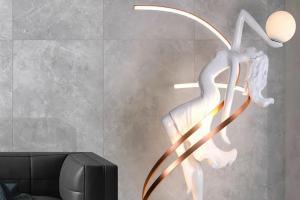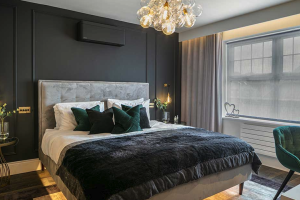
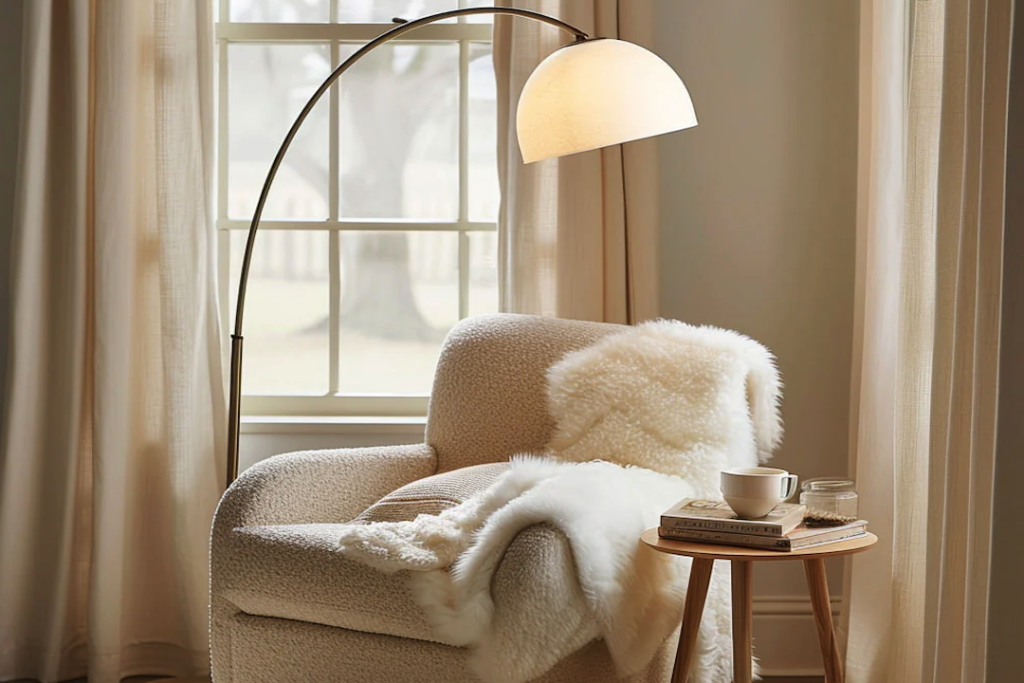
When you’re trying to create a cozy reading corner in a compact bedroom, the right lighting is a game-changer. The simplest and most effective way to achieve this is with a compact bedroom floor lamp. These lamps are designed to offer focused illumination without taking up too much space, making them ideal for smaller rooms.
Creating a dedicated reading space, even in a small bedroom, offers a quiet retreat for unwinding and immersing yourself in a book. The key element for any reading nook is appropriate lighting. A compact floor lamp serves this purpose by providing directed light Nepten precisely where you need it, preventing eye strain and enhancing the overall ambiance. It’s not just about seeing the words; it’s about fostering a sense of calm and comfort.
Why Floor Lamps Work Best for Compact Spaces
Floor lamps, by their very nature, stand on their own, meaning they don’t require precious tabletop or wall space. This is a significant advantage in compact bedrooms where every inch counts. They can be tucked neatly beside a chair or a bedside table without overwhelming the area. Their height also allows the light to be positioned perfectly over your reading material, which is often difficult to achieve with smaller lamps.
Beyond Just Illumination: Setting the Mood
A reading lamp does more than just light up your page. The type of light it emits, its intensity, and even the design of the lamp itself all contribute to the mood of your reading corner. A warm, soft glow is generally preferred for creating a cozy atmosphere, encouraging relaxation rather than sharp, bright light that can feel clinical.
Types of Compact Floor Lamps for Reading
When we talk about compact floor lamps for reading, we’re generally referring to designs that prioritize a smaller footprint and focused light. This often means slender profiles and adjustable features.
Arc Floor Lamps: Reaching Over Your Reading Spot
Arc floor lamps are a popular choice for reading corners. Their defining feature is the curved arm, which allows the light source to extend out and over your reading chair or sofa. This is incredibly practical because it means the base of the lamp can be positioned further away from your seating area, often tucking neatly into a corner or beside another piece of furniture, while still providing light directly above you.
The Adjustable Arc Advantage
Many arc floor lamps offer adjustable arcs, meaning you can control the reach and angle of the light. This flexibility is crucial for tailoring the illumination to your specific reading posture and the layout of your room. You can draw the light closer when you’re deeply engrossed or push it back when you’re simply relaxing.
Base Styles and Their Space-Saving Qualities
The base of an arc floor lamp is also important in a compact space. Look for slim, weighted bases that can easily slide under furniture or fit into tight spots. Some designs have a very minimalist base, almost like a disc, which minimizes its visual and physical presence.
Stick Floor Lamps: Minimalist and Tall
Stick floor lamps, also known as torchiere lamps or column lamps, are characterized by their tall, slender vertical design. They often feature a single, narrow body that rises from a compact base. These are fantastic for bedrooms where you need a vertical light source that doesn’t extend outwards and become an obstruction.
Subtle Integration into Decor
Their minimalist aesthetic means stick floor lamps can blend seamlessly into various bedroom decors. They don’t demand attention but rather provide a functional and unobtrusive source of light.
Direct vs. Ambient Light from Stick Lamps
Some stick lamps offer direct task lighting via an adjustable head, while others are designed to cast light upwards, providing a more ambient glow. For a reading corner, a model with a directional head or a separate reading light attachment is usually more practical.
Task Floor Lamps with Flexible Arms
These are floor lamps where the light head is attached to a flexible or articulating arm. This allows for a high degree of precision in directing the light exactly where you want it. They are often smaller in stature than arc lamps and are designed with functionality as the primary concern.
The Articulating Arm’s Precision
The ability to bend and twist the arm means you can fine-tune the light to avoid glare on the page and ensure optimal brightness for reading. This level of control is a significant benefit for anyone who spends extended periods reading.
Versatility in Placement
Because the light can be directed so precisely, these lamps are less dependent on perfect placement relative to your seating. You can often place them slightly behind you, with the flexible arm reaching forward, which can be a great space-saving strategy.
Key Features to Consider for Compact Bedrooms
Beyond the general type of lamp, several specific features are crucial when selecting a compact floor lamp for a small bedroom. These are the details that make a real difference in practicality and ambiance.
Size and Footprint: The Absolute Essentials
This is the most critical factor. Measure the available space where you envision your reading corner. Note the width and depth of any existing furniture you’ll be placing the lamp near. A lamp with an oversized base will quickly make a small room feel cluttered.
Base Dimensions Matter
Don’t just look at the overall height. Pay close attention to the dimensions of the lamp’s base. Many compact lamps feature narrow or circular bases that can easily slide under bed frames, desks, or even into the crevice between a dresser and a wall.
Slim Profiles, Big Impact
Lamps with slender, unobtrusive poles and shades are naturally better suited for compact spaces. They create a sense of verticality without visually encroaching on the room’s air space.
Adjustability: Tailoring the Light to Your Needs
A lamp that allows you to adjust the light’s position, angle, and sometimes even its intensity is invaluable in a compact bedroom. This adaptability ensures you can create the perfect reading environment regardless of your specific setup.
Flexible Arms and Heads for Precision
As mentioned, flexible goosenecks or multi-jointed arms offer unparalleled control. You can direct the light precisely onto your book, reducing shadows and eye strain.
Height Adjustment for Different Seating
Some floor lamps offer adjustable height, which is a bonus. This allows you to adapt the lamp for different reading positions, whether you’re sitting on a chair, lying in bed, or even using a floor cushion.
Light Quality and Color Temperature: Creating Ambiance
The “feel” of the light is just as important as its direction. Different color temperatures can evoke different moods.
Warm White for Coziness
For a cozy reading corner, you generally want a warm white light (typically 2700K to 3000K). This range approximates candlelight or incandescent bulbs, creating a relaxed and inviting atmosphere that’s perfect for unwinding with a book.
Avoid Harsh, Cool Tones
Cooler white light (above 4000K) can feel more energizing and is often better suited for task-oriented work or areas where you need to be alert. For reading and relaxation, it’s usually not the best choice.
Bulb Type and Brightness (Lumens): Balancing Visibility and Comfort
While many floor lamps come with integrated LED lights, some allow for bulb replacement. Understanding bulb specifications helps ensure you get the right amount of light.
LED Efficiency and Longevity
LED bulbs are the standard now, offering excellent energy efficiency and a long lifespan. They also come in a wide range of color temperatures and brightness levels.
Lumens for Brightness
Brightness is measured in lumens. For reading, a brightness of around 400-800 lumens directed at your reading material is generally sufficient. You don’t want to overpower the space or create glare.
Practical Placement Tips for Compact Bedrooms
Where you position your floor lamp can significantly impact both the functionality and the feel of your compact reading corner. Smart placement is key to maximizing space and effectiveness.
Tucking it into a Corner for Undisturbed Space
Corners are often underutilized real estate in small rooms. A slim floor lamp can be placed in a corner, allowing its light to fan out over your reading area without taking up valuable floor space in the main part of the room.
Utilizing Awkward Angles
If you have an awkward corner, like where two walls meet at an unusual angle, a floor lamp can be a great way to bring light and purpose to that spot.
Pairing with a Small Side Table
A floor lamp in a corner can be complemented by a tiny, wall-mounted side table or a stool to hold your book, drink, or glasses, further enhancing the dedicated reading zone.
Beside the Bed for Late-Night Reading
For bedside reading, a floor lamp can be a more space-efficient alternative to a table lamp, especially if your bedside table is already crowded. Position it so the light falls directly onto your book without shining into your partner’s eyes if you share a room.
Avoiding Obstructions from the Doorway
Ensure the lamp’s placement doesn’t obstruct the flow of traffic into or out of the room, particularly when the door is open.
Directing Light Away from Mirrors
If you have mirrors in your bedroom, be mindful of positioning the lamp so the light doesn’t create distracting reflections or glare.
Alongside an Existing Chair or Sofa
If you have a small armchair or a compact sofa in your bedroom, a floor lamp can be its perfect companion. An arc lamp is particularly good here, as it can extend its reach over the seating without the base intruding too far into the room.
Creating a Defined Zone
By placing a lamp next to your seating, you visually define that area as your personal reading nook, giving it a sense of purpose and separation from the rest of the bedroom.
Using the Lamp to Counterbalance Visual Weight
In a small room, sometimes a vertical element like a floor lamp can help balance out the visual weight of other furniture, making the space feel more harmonious.
Choosing the Right Bulb and Brightness for Reading
Getting the light bulb right is crucial for both comfort and functionality in your reading corner. It’s not just about illumination; it’s about reducing eye strain and enhancing the reading experience.
Understanding Color Temperature (Kelvin)
The Kelvin (K) scale indicates the color of light. Lower numbers (2700K-3000K) produce a warm, yellowish light that feels cozy and relaxing. Higher numbers (4000K+) produce a cooler, bluer light that is more energizing and can be good for focus but less so for winding down.
Warm White for Relaxation
For a reading nook aimed at relaxation and coziness, aim for bulbs in the 2700K to 3000K range. This mimics the soft glow of traditional incandescent bulbs, which many find most comfortable for reading.
Neutral White for Clearer Detail
Some people prefer a slightly brighter, more neutral white light (around 3500K-4000K) as it can render colors more accurately and make text appear sharper without being overly cool. This can be a good compromise if pure warm white feels too dim.
Lumens: The Measure of Brightness
Lumens measure the total amount of light output from a bulb. You want enough lumens to read comfortably without straining your eyes, but not so many that the light is harsh or glaring.
Recommended Lumens for Reading
For focused task lighting on a book, around 400-800 lumens is generally a good range. This provides sufficient brightness directly on your reading material.
Dimmable Options for Versatility
If the lamp is dimmable, you gain incredible versatility. You can set a brighter level for actively reading and then dim it down for a softer, more ambient glow when you’re just relaxing with your book and a cup of tea. This adaptability is a major advantage in a compact space where you might also want the lamp to contribute to general room lighting.
Bulb Type: LED is Generally Best
Modern LED bulbs are energy-efficient, long-lasting, and available in a wide array of color temperatures and brightness levels. They are typically the most practical choice for floor lamps.
Energy Efficiency Savings
LEDs consume significantly less electricity than traditional incandescent or halogen bulbs, which can lead to lower energy bills.
Longevity Means Less Fuss
With their incredibly long lifespan, you won’t have to worry about frequently replacing bulbs, especially in a hard-to-reach lamp.
Smart Features and Design Considerations
Beyond basic functionality, some modern floor lamps offer features that can enhance their usefulness and aesthetic appeal in a compact bedroom.
Integrated USB Ports for Convenience
Some floor lamps now include built-in USB ports. This is a fantastic feature for a reading corner, allowing you to charge your phone or tablet without needing an extra power outlet or a separate charging brick cluttering your nightstand or floor.
Decluttering Charging Solutions
Having a USB port directly on the lamp simplifies your charging setup, keeping cables neat and accessible.
Always-Ready Power Source
Your phone or e-reader is always within reach and charging while you’re immersed in your book.
Remote Controls and Smart Home Integration
More advanced floor lamps may offer remote controls or even integrate with smart home systems (like Alexa or Google Assistant). This allows you to turn the lamp on/off, adjust brightness, or change color temperature without having to physically reach for it.
Effortless Operation
For late-night reading sessions, a remote control or voice command can be incredibly convenient, allowing you to adjust the light without disturbing anyone or completely breaking your focus.
Maximizing Ambiance with Minimal Effort
Smart features make it easier to create the perfect mood for your reading nook with just a few taps or voice commands.
Material Finishes and Aesthetic Compatibility
The material and finish of your floor lamp can impact its visual weight and how well it blends with your existing bedroom decor.
Metal Finishes for Modern Spaces
Chrome, brushed nickel, or matte black metal finishes often lend a modern and sleek look, which can be sleek and unobtrusive in smaller rooms.
Wood Tones for Natural Warmth
Lamps with wooden accents or poles can add a touch of natural warmth and texture, contributing to a cozier feel in the reading corner.
Consider the Shade Material
The shade material also plays a role. Fabric shades tend to diffuse light softly, while metal or glass shades can provide a more directed or decorative effect. For a reading lamp, a fabric shade that diffuses light evenly is usually preferred.