In recent years, 3D printing has emerged as a transformative force in various industries, and home decor is no exception. The technology, which allows for the creation of three-dimensional objects from digital files, has democratized design and manufacturing, enabling individuals to produce unique items tailored to their specific tastes and needs. This shift has been particularly evident in the realm of home decor, where traditional manufacturing processes often limited creativity and accessibility.
With 3D printing, the barriers to entry have been significantly lowered, allowing designers and hobbyists alike to experiment with innovative forms and materials. The rise of 3D printing in home decor can be attributed to several factors, including advancements in technology, the proliferation of user-friendly design software, and the growing popularity of DIY culture. As 3D printers have become more affordable and accessible, a wider audience has embraced the potential of this technology.
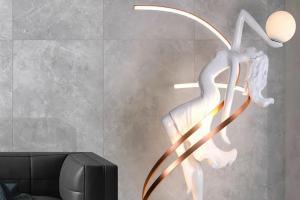
From intricate wall art to bespoke furniture pieces, the possibilities are virtually limitless. Among the most exciting applications of 3D printing in home decor is the creation of lighting solutions, particularly floor lamps that not only illuminate spaces but also serve as striking design statements.
The Benefits of 3D Printed Floor Lamps
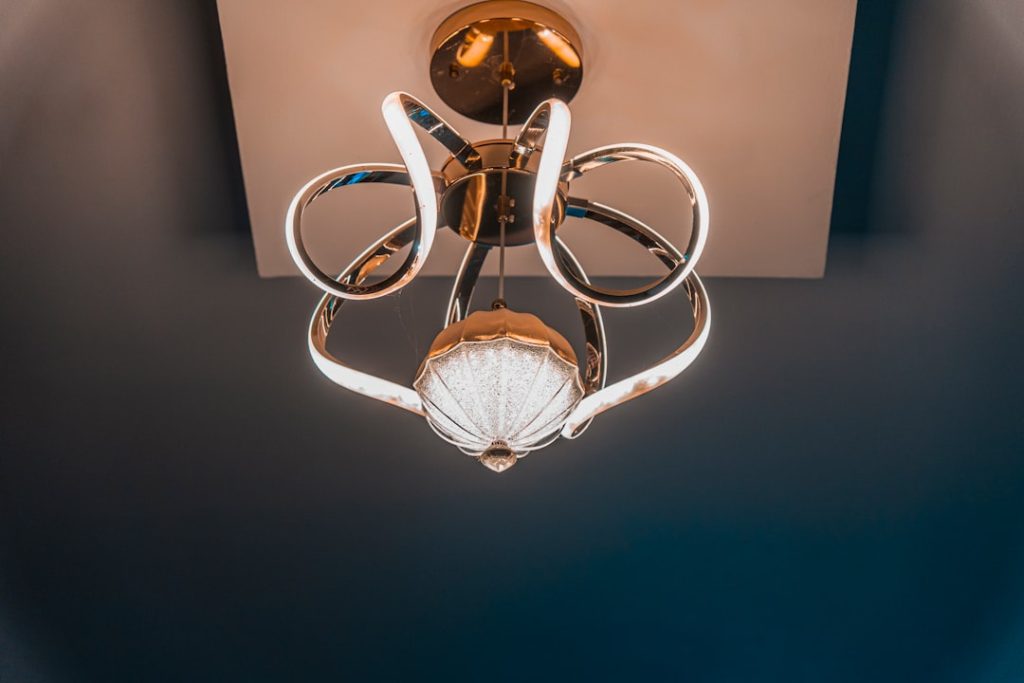
3D printed floor lamps offer a multitude of benefits that set them apart from their traditionally manufactured counterparts. One of the most significant advantages is the ability to create highly intricate and complex designs that would be difficult or impossible to achieve through conventional methods. The layer-by-layer construction process inherent in 3D printing allows for the incorporation of elaborate patterns, textures, and shapes that can enhance the aesthetic appeal of any room.
For instance, a designer might create a lamp with an organic, flowing form that mimics natural elements like leaves or waves, adding a touch of nature-inspired elegance to an interior space. Another key benefit of 3D printed floor lamps is their potential for rapid prototyping and production. Designers can quickly iterate on their ideas, making adjustments and refinements in real-time based on feedback or personal preference.
This agility not only accelerates the design process but also fosters innovation, as creators are encouraged to experiment with new concepts without the constraints of traditional manufacturing timelines. Furthermore, the ability to produce lamps on demand means that consumers can access unique designs that are not mass-produced, allowing for a more personalized approach to home lighting.
Customization and Personalization in Lighting Design
One of the most compelling aspects of 3D printed floor lamps is the level of customization they offer. Unlike mass-produced lighting fixtures, which often come in standard sizes and styles, 3D printing allows consumers to tailor their lamps to fit their specific needs and preferences. This customization can take many forms, from adjusting the dimensions of a lamp to suit a particular space to selecting colors and materials that align with an individual’s personal style.
For example, a homeowner might choose a sleek, minimalist design in a matte black finish for a modern aesthetic or opt for a vibrant, multi-colored lamp that serves as a playful focal point in a child’s room. Moreover, personalization extends beyond mere aesthetics; it can also encompass functional elements. Consumers can design lamps with specific features that cater to their lifestyle.
For instance, someone who enjoys reading might create a floor lamp with an adjustable arm for optimal light positioning, while another individual might prioritize energy efficiency by incorporating LED technology into their design. This level of personalization not only enhances user satisfaction but also fosters a deeper emotional connection between individuals and their home decor.
Sustainability and Eco-Friendly Aspects of 3D Printed Lamps
As environmental concerns continue to shape consumer behavior, the sustainability of products has become an increasingly important consideration in home decor. 3D printed floor lamps present several eco-friendly advantages that align with this growing awareness. One notable aspect is the potential for reduced waste during the manufacturing process.
Traditional lamp production often involves cutting materials from larger sheets or blocks, resulting in significant scrap material. In contrast, 3D printing utilizes only the material necessary for each item, minimizing waste and promoting more efficient use of resources. Additionally, many 3D printing materials are recyclable or made from sustainable sources.
For instance, bioplastics derived from renewable resources such as cornstarch or sugarcane can be used to create durable and aesthetically pleasing lamp designs. By choosing eco-friendly materials and production methods, consumers can make more conscious choices that reflect their values regarding sustainability. Furthermore, the ability to produce lamps locally through 3D printing reduces transportation emissions associated with shipping products from distant manufacturers, further contributing to a lower carbon footprint.
The Future of 3D Printed Lighting
The future of 3D printed lighting is poised for significant growth as technology continues to advance and consumer preferences evolve. As 3D printing techniques become more sophisticated, we can expect even greater levels of detail and complexity in lamp designs. Innovations such as multi-material printing will allow designers to combine different materials within a single lamp, creating unique textures and visual effects that enhance both form and function.
This capability could lead to entirely new categories of lighting solutions that blend aesthetics with practicality in unprecedented ways. Moreover, as smart home technology becomes increasingly integrated into our daily lives, the intersection of 3D printing and smart lighting will likely yield exciting developments. Imagine a 3D printed floor lamp equipped with sensors that adjust brightness based on ambient light levels or one that can change colors according to mood or time of day.
The potential for customization will extend beyond physical design to include programmable features that cater to individual preferences and lifestyles. As these technologies converge, we may see a new era of lighting solutions that are not only visually stunning but also highly functional and adaptable.
How 3D Printing is Changing the Way We Think About Home Lighting
The advent of 3D printing has fundamentally altered our perception of home lighting by shifting the focus from mere functionality to artistic expression and individuality. Traditionally, lighting fixtures were often viewed as utilitarian objects designed solely for illumination; however, with the rise of 3D printed lamps, they are increasingly recognized as integral components of interior design that can convey personality and style. This transformation encourages consumers to think critically about their lighting choices and consider how these elements contribute to the overall ambiance of their living spaces.
Furthermore, the accessibility of 3D printing technology has empowered individuals to take control of their home decor decisions. No longer confined to pre-made options available at retail stores, consumers can now explore their creativity by designing custom lighting solutions that reflect their unique tastes and preferences. This shift has fostered a culture of innovation where individuals are inspired to experiment with new ideas and push the boundaries of traditional design norms.
As a result, home lighting is evolving into a canvas for self-expression rather than just a functional necessity.
The Intersection of Technology and Design in 3D Printed Floor Lamps
The intersection of technology and design is particularly pronounced in the realm of 3D printed floor lamps. This convergence has given rise to a new breed of designers who are not only skilled in traditional artistic practices but also proficient in digital design tools and 3D modeling software. As these designers harness the capabilities of advanced technology, they are able to create lighting solutions that challenge conventional aesthetics while embracing innovative forms and functions.
Moreover, this intersection has led to collaborations between technologists and artists, resulting in groundbreaking designs that push the envelope of what is possible in lighting design. For instance, some designers are experimenting with generative design algorithms that use computational processes to create complex geometries based on specific parameters set by the user. This approach allows for an exploration of forms that would be difficult to conceive through manual design methods alone.
The outcome is a new wave of floor lamps that are not only visually striking but also embody a harmonious blend of art and technology.
Exploring the Creative Possibilities of 3D Printed Lighting Solutions
The creative possibilities offered by 3D printed lighting solutions are virtually limitless, inviting designers and consumers alike to explore new realms of imagination. One exciting avenue is the ability to create modular lighting systems that can be easily reconfigured or expanded based on changing needs or preferences. For example, a designer might develop a series of interlocking lamp components that can be assembled in various configurations to adapt to different spaces or occasions.
This flexibility allows users to personalize their lighting setups while also accommodating evolving design trends. Additionally, 3D printing opens up opportunities for collaboration between artists and communities. Workshops focused on 3D printing can empower individuals to engage with design processes actively while fostering creativity within local contexts.
By encouraging community members to contribute their ideas and designs for lighting solutions, these initiatives can lead to unique products that reflect local culture and identity. The result is not just functional lighting but also meaningful connections between people and their environments—an embodiment of creativity that resonates deeply within communities. In summary, the rise of 3D printing in home decor has revolutionized how we approach lighting design by emphasizing customization, sustainability, and artistic expression.
As technology continues to evolve, so too will our understanding of what is possible in creating beautiful and functional lighting solutions for our homes.