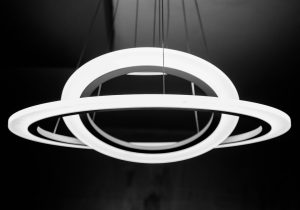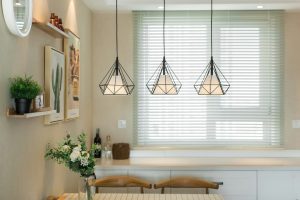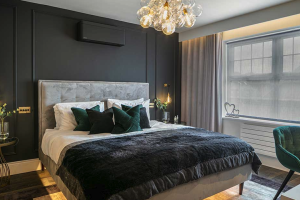
Modern minimalist pendant lights can cost anywhere from under $50 for a basic, mass-produced option to well over $1,000 for high-end designer pieces, with the sweet spot for quality and style often falling in the $150-$500 range. Understanding the factors influencing these prices is key to budgeting effectively for your lighting project in 2024.
Deconstructing the Price Tag: What Influences Cost?
It’s not just about a pretty light; several elements come together to determine the final price of a minimalist pendant. Knowing these helps you decide where to splurge and where to save.
Material Matters
The materials used in construction play a huge role in pricing. You’ll find a wide spectrum, each with its own cost implications.
Common Materials and Their Price Points
- Aluminum and Steel: These are workhorse materials, often powder-coated or brushed. They offer good durability and a clean look, making them common in the mid-range ($50-$300). Brushed finishes often cost a bit more than simple powder coats.
- Glass: From clear to frosted, smoked, or ribbed, glass adds a touch of sophistication. Hand-blown glass will naturally be more expensive than machine-made or molded glass. Expect prices to jump significantly with higher-quality or artisanal glasswork ($100-$500+).
- Wood: Natural wood, especially solid hardwoods like oak or walnut, commands a higher price due to sourcing, milling, and finishing. Engineered wood or veneers will be less expensive. Hand-turned or carved wood pieces will also increase the cost ($150-$700+).
- Concrete/Cement: A popular choice for an industrial-minimalist aesthetic. While the raw material itself isn’t exceptionally expensive, the molding and finishing processes, especially for complex shapes, can add to the cost ($80-$400).
- Brass/Copper: Real brass or copper, particularly solid forms, are premium materials. They offer a luxurious feel and develop a beautiful patina over time. Plated versions are more affordable but won’t have the same heft or longevity. Expect solid brass/copper fixtures to start in the higher mid-range and go up ($200-$800+).
- High-End Composites/Ceramics: Some designers experiment with advanced composites or fine ceramics, which can push prices into the luxury category due to research, development, and specialized manufacturing ($300-$1000+).
Design and Brand Influence
Let’s be honest, sometimes you’re paying for the name, but often you’re paying for unique design and engineering innovation.
The Value of Original Design
- Designer Pieces: Lights from renowned designers or high-end lighting brands typically come with a significantly higher price tag. You’re investing in original aesthetics, often patented designs, and rigorous quality control. These pieces are meant to be focal points and often become collectible ($400-$2000+).
- Mass-Produced Replicas/Homages: Many budget-friendly options mimic popular designer styles. While they offer a similar look for less, the materials, finish quality, and internal components are often downgraded. These are great for achieving a look on a tight budget, but understand the trade-offs ($30-$200).
- Boutique and Artisan Makers: Smaller studios or individual artisans create unique, often handmade pieces. While not always as expensive as big-name designers, their craftsmanship and limited production runs mean they’re usually pricier than mass-produced items ($150-$600+).
Internal Components and Technology
The guts of the light matter just as much as its exterior. What’s inside impacts both performance and price.
LED Integration and Dimming Capabilities
- Integrated LED: Many modern minimalist pendants feature integrated LED light sources. These are highly energy-efficient and offer a sleek, seamless look. However, if the LED array or driver fails, the entire fixture might need replacement or specialized repair, which can be a consideration. High-quality integrated LEDs with good color rendering (CRI) and dimming stability will cost more ($80-$600+).
- Replaceable Bulb Sockets: Fixtures that use standard E26/E27 or G9 sockets are generally less expensive upfront. You can choose your own bulb, which offers flexibility in light temperature and brightness. If the bulb dies, you just replace the bulb.
- Dimming Technology: For fixtures meant to be dimmable, the quality of the dimmer driver (for integrated LEDs) or the socket wiring (for replaceable bulbs) is crucial. Smooth, flicker-free dimming across a wide range requires better components, increasing cost. Look for compatibility with common dimmer types (TRIAC, ELV, 0-10V).
Manufacturing Location and Quality Control
Where a light is made often correlates with its price and perceived quality.
Global Production vs. Local Craftsmanship
- Asian Manufacturing (Mass Market): A significant portion of budget-friendly minimalist pendants are manufactured in large factories in Asia. This allows for economies of scale, lower labor costs, and competitive pricing. Quality can vary greatly, so reviews are important ($20-$150).
- European/North American Manufacturing (Mid to High-End): Fixtures produced in Europe or North America often benefit from stricter quality control, higher labor standards, and a focus on precision engineering and finishing. These factors contribute to a higher price but generally also mean better durability and aesthetic refinement ($150-$1000+).
Budgeting for Your Minimalist Pendant Project
Setting a realistic budget from the start helps narrow down your choices and avoid overspending.
Defining Your Needs and Priorities
Before you even look at lights, think about what you truly need from them.
Quantity and Placement
- Single Pendant: If you only need one over a small dining table, a kitchen island, or as a bedside light, your budget per fixture can be higher.
- Multiple Pendants (e.g., Island Grouping): When buying several pendants for a linear arrangement or a cluster, the individual unit cost quickly adds up. You might need to compromise on the per-light price to stay within budget.
- Scale and Size: Larger pendants naturally use more material and require more complex manufacturing, increasing their cost. A small 6-inch diameter pendant will be significantly cheaper than a 20-inch one.
Desired Aesthetic and Durability
- Long-Term Investment vs. Trend Following: Are you looking for a timeless piece that will last for decades, or something to update in a few years as trends change? This dictates how much you should invest in durability and classic design.
- High-Traffic vs. Low-Traffic Areas: A pendant in a guest bathroom might not need the same level of robustness as one over a busy kitchen island.
- Specific Materials: Do you have a strong preference for a particular material like solid brass or hand-blown glass? Be prepared for that to influence your budget upwards.
Setting Realistic Price Ranges
Based on the factors above, here’s a general guide to what you can expect at different price points.
Entry-Level (Under $100)
- What to Expect: Primarily mass-produced fixtures, often from online retailers like Amazon, Wayfair, or Ikea. Materials will be simpler (powder-coated aluminum, thin stamped steel, basic glass). Designs might mimic popular styles. Integrated LEDs are common but might have lower CRI or less advanced dimming. Quality can be a lottery; read reviews carefully.
- Best For: Guest rooms, hallways, budget-conscious updates, renters, or trying out a style before committing to a more expensive piece.
Mid-Range ($100 – $400)
- What to Expect: This is often the sweet spot for a balance of design, quality, and affordability. You’ll find options from well-known online lighting stores, some smaller brands, and even entry-level offerings from more reputable manufacturers. Better material finishes (e.g., better plating, thicker glass, solid but smaller wood elements), improved internal components, and more unique designs are common. Good quality integrated LEDs with better CRI and dimming are more prevalent.
- Best For: Main living areas, kitchen islands, dining rooms where you want a noticeable upgrade without breaking the bank. Good for homeowners looking for solid quality and contemporary style.
High-End ($400 – $1000+)
- What to Expect: This category includes designer pieces, fixtures from established luxury lighting brands, and artisan-crafted lights. Expect premium materials (solid brass, hand-blown glass, fine wood), exceptional craftsmanship, original and often iconic designs, and superior integrated LED technology with excellent dimming and color rendering. These pieces often come with robust warranties and excellent customer support.
- Best For: Feature lighting, statement pieces in prominent areas, design-forward homes, or those who value brand heritage and impeccable quality as a long-term investment.
Smart Shopping Strategies for 2024
Once your budget is set, it’s time to shop smart. There are ways to get great value, no matter your price point.
Where to Buy
The retailer you choose can impact not only the price but also the quality of service and return policies.
Online Retailers vs. Brick-and-Mortar
- Large Online Stores (e.g., Wayfair, Amazon, Houzz, Lumens, Lightology): Offer the widest selection and often the most competitive prices, especially for entry to mid-range options. Be sure to check customer reviews, product specifications, and return policies diligently. Shipping costs and potential damage during transit are considerations.
- Manufacturer Websites: Buying directly can sometimes offer exclusive deals, the full product range, and direct customer support. It’s often where you’ll find the higher-end brands.
- Specialty Lighting Stores (Online or Physical): These stores often curate a selection of higher-quality brands and provide more knowledgeable sales assistance. They can be particularly helpful for understanding technical specifications like dimming compatibility or light output. Prices might be slightly higher, but the expertise can be invaluable.
- Local Boutiques/Design Studios: Great for finding unique, artisan-made pieces or exclusive lines. You can often see the quality firsthand. Expect higher prices, but also personalized service.
Timing Your Purchase
Like many consumer goods, lighting often goes on sale.
Sales Events and Discounts
- Seasonal Sales: Look out for major sales events around holidays like Black Friday, Cyber Monday, Presidents’ Day, Memorial Day, and Fourth of July. Many retailers offer significant discounts during these periods.
- End-of-Year/New Collections: As new collections are introduced, older models might be cleared out at reduced prices. This is a great opportunity to grab a still-stylish piece at a discount.
- Open Box/Refurbished: Some retailers offer “open box” or “refurbished” items at a discount. These are often customer returns in like-new condition. Always check the return policy and warranty on such items.
- Newsletter Sign-Ups: Many online retailers offer a discount (e.g., 10-15% off) for signing up for their email newsletter. This can be an easy way to save a bit extra.
Asking the Right Questions
Don’t be afraid to dig into the details before you buy, especially for mid to high-end fixtures.
Warranty and Return Policies
- Warranty: What’s the length of the warranty? What does it cover (e.g., finish, electrical components, integrated LED)? A robust warranty is a sign of a manufacturer’s confidence in their product.
- Return Policy: How long do you have to return the item? Is there a restocking fee? Who pays for return shipping? This is especially important for online purchases where you can’t inspect the light beforehand.
Technical Specifications
- Integrated LED Lifespan and Replaceability: What’s the estimated lifespan (L70 rating)? Is the LED module field-replaceable by an electrician if it fails, or does the whole fixture need to be replaced?
- Dimmer Compatibility: For integrated LEDs, confirm compatibility with the type of dimmer switch you plan to use (e.g., ELV, TRIAC). This avoids frustrating flickering or non-dimming issues.
- Color Temperature (CCT) and Color Rendering Index (CRI): For integrated LEDs, these are fixed. Aim for a CCT between 2700K-3000K for warm ambient light in homes, and a CRI of 90+ for accurate color representation.
Installation Costs: Don’t Forget the Electrician!
The price of the pendant itself is only part of the equation. Installation is a crucial, often overlooked, cost.
Professional Installation Considerations
Unless you’re a qualified electrician, professional installation is almost always necessary and highly recommended for safety and proper function.
Factors Influencing Installation Cost
- Existing Wiring vs. New Installation: If you’re replacing an existing pendant in the same location, the cost will be lower (typically 1-2 hours of labor). If you need new wiring run, a new junction box installed, or a ceiling medallion added, the cost will increase significantly.
- Ceiling Height and Accessibility: High ceilings (over 10-12 feet) may require special ladders or scaffolding, increasing labor time and cost. Difficult-to-access areas can also add to the bill.
- Complexity of Fixture: Some minimalist pendants, especially those with multiple arms, unique mounting systems, or very delicate materials, can be more time-consuming and thus more expensive to install.
- Geographic Location: Electrician rates vary widely by region. Expect higher rates in major metropolitan areas.
- Number of Fixtures: While there’s usually a minimum call-out fee, installing multiple pendants in one visit can sometimes lead to a slightly lower per-fixture cost for labor.
- Electrical Panel Upgrades: In older homes, if you’re adding many new lights or high-wattage fixtures, your electrical panel might need an upgrade, which is a substantial additional cost.
Typical Installation Cost Ranges
- Simple Replacement (Existing Junction Box): $75 – $200 per pendant. This assumes no new wiring or structural work.
- New Installation (Running New Wire, Installing Junction Box): $200 – $500+ per pendant, depending on the complexity of running wires through walls/ceilings.
- Complex/High Ceilings/Multiple Pendants: Costs can quickly escalate for specialized situations. Always get a quote from a licensed electrician before purchasing your lights, especially if significant electrical work is needed.
Maintenance and Longevity: Protecting Your Investment
A minimalist pendant isn’t just a purchase; it’s an investment in your home’s aesthetic. Proper care ensures it looks good for years.
Cleaning and Care
Minimalist designs often mean fewer nooks and crannies, but proper cleaning is still essential.
Material-Specific Care Tips
- Glass: Use a microfiber cloth and a streak-free glass cleaner. Avoid abrasive sponges that can scratch. For hand-blown or specialty glass, consult the manufacturer’s recommendations.
- Metals (Brushed/Polished): A soft, dry or slightly damp microfiber cloth is usually sufficient. Avoid harsh chemical cleaners that can strip finishes. For brass or copper, if you want to maintain a polished look, use a specific metal polish as directed, but many minimalist styles embrace a natural patina over time.
- Powder-Coated/Painted Finishes: A soft, damp cloth with mild soap and water is generally safe. Dry immediately to prevent water spots.
- Wood: Dust with a soft, dry cloth. If it requires more, use a wood-specific cleaner or polish sparingly, following the product’s instructions and avoiding excessive moisture.
- Concrete/Cement: These are often sealed. A damp cloth is usually enough. Avoid acidic or abrasive cleaners that can damage the seal.
Longevity of Integrated LEDs
While durable, integrated LEDs aren’t immortal. Understanding their lifespan helps set expectations.
Understanding L70 Lifespan
- L70 Rating: Most manufacturers quote an “L70” lifespan, often 25,000 to 50,000 hours. This means after that many hours of operation, the LED will still be producing 70% of its initial light output. It doesn’t mean it will fail completely, but it will be noticeably dimmer.
- Factors Affecting Lifespan: Heat is the enemy of LEDs. Well-designed fixtures incorporate good heat sinks. Operating LEDs at lower temperatures (e.g., dimming them) can actually extend their lifespan.
- Replacement Options: For most integrated LEDs, when the light source eventually fails or dims below acceptable levels, the entire fixture might need replacement. Some higher-end fixtures are designed with replaceable LED modules and drivers, allowing for easier maintenance. Always check this detail if longevity and repairability are high priorities for you.
- Driver Failure: Sometimes the electronic driver that powers the LED array fails before the LEDs themselves. In some fixtures, this driver is a separate, replaceable component, which is a good design feature to look for.
By keeping these factors in mind, you can make an informed decision, ensuring your modern minimalist pendant lights not only fit your budget but also enhance your space beautifully for years to come.